
Embark on a journey through the world of room design websites, where creativity meets functionality to transform spaces. From innovative features to user-friendly interfaces, discover how these platforms revolutionize interior design inspiration.
Explore the realm of room design websites and unlock the potential to visualize and plan your dream space effortlessly.
Importance of Room Design Websites
Room design websites play a crucial role in the world of interior design, catering to enthusiasts looking to enhance their living spaces with style and functionality.
Benefits of Room Design Websites
- Access to Inspiration: Room design websites offer a vast array of design ideas, trends, and styles, inspiring individuals to explore new possibilities for their own spaces.
- Visual Representation: By browsing through room design websites, users can visualize different layouts, color schemes, and furniture arrangements, helping them envision the potential of their rooms.
- Planning Assistance: These websites often provide tools and resources for planning room layouts, selecting decor elements, and creating cohesive designs, empowering individuals to plan their spaces effectively.
Features of a Room Design Website
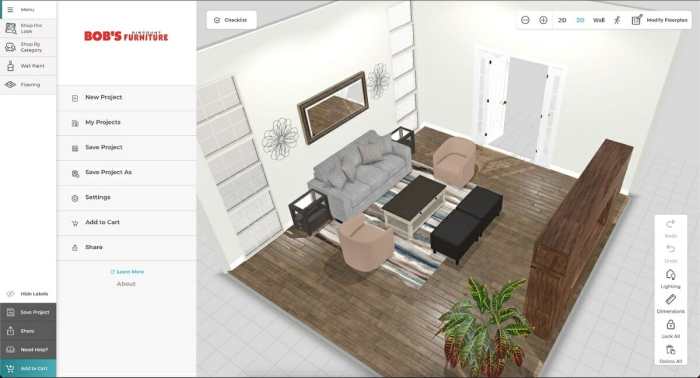
Room design websites play a crucial role in helping users visualize and plan their living spaces effectively. These websites offer a range of features to enhance the user experience and provide valuable design insights.
Key Features of a Room Design Website
- Interactive Room Planners: The ability to use 3D room planners allows users to create virtual layouts of their spaces, helping them experiment with different furniture arrangements and color schemes.
- Virtual Reality Integration: Some room design websites offer virtual reality (VR) capabilities, enabling users to experience a realistic simulation of their designed rooms.
- Product Catalogs: Access to a wide range of furniture and decor products within the website allows users to easily select items to include in their room designs.
- Design Inspiration: Many room design websites feature galleries of curated design ideas and trends to inspire users and help them discover new styles.
- Collaboration Tools: Some websites allow users to share their designs with others, collaborate on projects, or seek feedback from professionals.
Comparison of Different Room Design Websites
| Website | Unique Features |
|---|---|
| Roomstyler | Offers a community forum for users to interact and share design tips. |
| Planner 5D | Provides a mobile app for designing on-the-go and syncing projects across devices. |
| Houzz | Connects users with local professionals for design consultations and services. |
Enhancing User Experience with 3D Room Planners
D room planners revolutionize the way users engage with room design websites by providing a realistic and immersive experience. Users can visualize their designs in a three-dimensional space, allowing for better decision-making and understanding of spatial relationships. These interactive tools empower users to bring their design ideas to life and experiment with various layouts and configurations before making any physical changes to their rooms.
Overall, 3D room planners enhance user satisfaction and confidence in their design choices.
User Experience and Interface Design
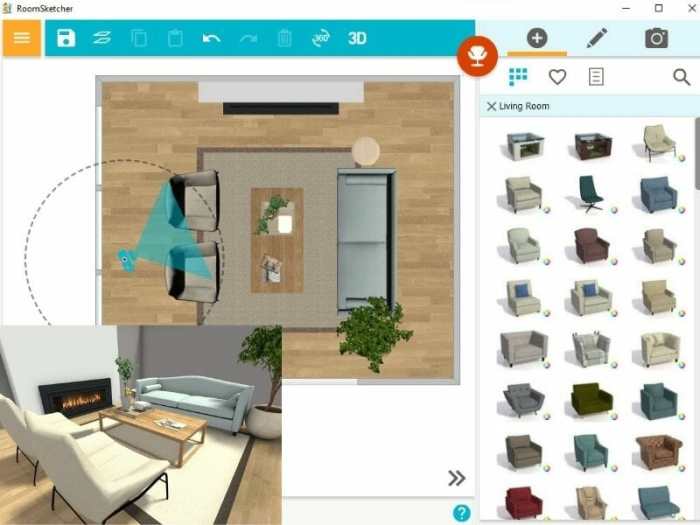
When it comes to room design websites, having a user-friendly interface is crucial for ensuring a positive experience for visitors. A well-designed interface can make it easier for users to navigate the site, find inspiration, and ultimately create their dream space.
Importance of User-Friendly Interface
- Intuitive navigation: Room design websites should have clear navigation menus and easy-to-find search functions to help users quickly find what they are looking for.
- Clean layouts: A clutter-free design with organized content and visually appealing images can enhance the user experience and keep visitors engaged.
- Responsive design: Ensuring that the website is optimized for different devices and screen sizes is essential for providing a seamless experience across all platforms.
Examples of Effective User Experience Design
- Houzz:This popular room design website features a clean layout with easy-to-use filters for browsing different styles and products. Users can save their favorite images and products for future reference.
- Wayfair:With a user-friendly interface, Wayfair allows users to visualize furniture and decor in their own space using augmented reality technology. This interactive feature enhances the shopping experience.
- Roomstyler:Known for its 3D room planning tool, Roomstyler offers a hands-on experience for users to design and decorate virtual spaces. The drag-and-drop interface makes it easy to customize layouts and furniture arrangements.
Intuitive Navigation and Clear Layouts
- Easy-to-find menu options and search bars help users quickly access the content they are interested in.
- Clear labeling and visual hierarchy guide users through the website, making it easy to understand the structure and flow of information.
- Consistent design elements and familiar patterns create a sense of continuity and coherence throughout the site, reducing confusion for users.
Trends in Room Design Websites
The field of room design websites is constantly evolving to meet the changing needs and preferences of users. Let's explore some of the current trends shaping the world of room design websites and how they are adapting to new technologies.
Virtual Reality Tours
Virtual reality tours have become increasingly popular in room design websites, allowing users to experience a space in a more immersive way. By putting on a VR headset, users can walk through a room, getting a true sense of its layout and design.
This trend is revolutionizing the way users interact with room design websites, offering a more realistic and engaging experience.
AI-Powered Recommendations
Many room design websites are now incorporating AI-powered recommendation systems to help users find the perfect design solutions for their space. By analyzing user preferences and behavior, these systems can suggest furniture, color schemes, and layout ideas that align with the user's style.
This trend not only enhances the user experience but also makes the design process more personalized and efficient.
Emerging Trends
Looking ahead, some emerging trends are shaping the future of room design websites. One such trend is the integration of augmented reality (AR) technology, allowing users to visualize how furniture and decor items will look in their space before making a purchase.
Additionally, sustainability and eco-friendly design practices are becoming increasingly important, with more room design websites focusing on offering sustainable design solutions to environmentally conscious users.
Summary
In conclusion, room design websites serve as the ultimate tool for interior design enthusiasts, offering a plethora of benefits and trends that shape the future of design. Dive into the world of online inspiration and transform the way you envision your living spaces.
Questions Often Asked
How can room design websites benefit users?
Room design websites provide a wealth of inspiration and ideas for individuals looking to revamp their living spaces, offering a platform to visualize and plan effectively.
What are some key features to look for in a room design website?
A room design website should offer interactive tools like 3D room planners, unique features for comparison, and a user-friendly interface for seamless navigation.
What are some current trends in room design websites?
Current trends include virtual reality tours, AI-powered recommendations, and adaptations to changing design preferences and technologies.