
Exploring the world of vinyl siding contractors unveils a realm of possibilities for homeowners seeking to enhance their property's exterior. From the various styles and colors available to the installation process and cost considerations, this guide delves deep into the essentials of working with vinyl siding contractors.
What is Vinyl Siding?
Vinyl siding is a popular choice for exterior cladding on homes due to its durability, low maintenance requirements, and versatility in style and color options. Vinyl siding is composed of polyvinyl chloride (PVC) resin, which is a synthetic material that is durable, resistant to moisture, and provides insulation for the home.
The benefits of vinyl siding include its affordability, ease of installation, and resistance to rotting, warping, and pests.
Styles and Colors of Vinyl Siding
Vinyl siding comes in a variety of styles, including traditional lap siding, vertical panels, shingles, and shakes. These styles can mimic the look of wood, stone, or other materials, providing homeowners with a wide range of design options. Additionally, vinyl siding is available in an array of colors, from classic neutrals to bold, modern hues, allowing homeowners to customize the look of their home to suit their preferences.
Durability and Maintenance of Vinyl Siding
Vinyl siding is known for its durability, with a lifespan of 20-40 years depending on the quality of the product and installation. It is resistant to fading, cracking, and peeling, requiring minimal maintenance such as occasional washing with soap and water to keep it looking fresh.
Vinyl siding does not need to be painted or stained, saving homeowners time and money on upkeep compared to other exterior cladding options.
Hiring Vinyl Siding Contractors
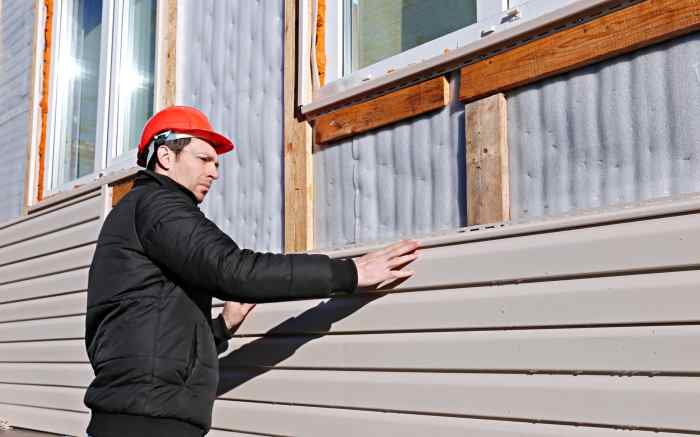
When it comes to hiring vinyl siding contractors, it's crucial to find reputable professionals who can get the job done right. Here are some tips to help you in the process:
Checking Licenses and Insurance
Before hiring any vinyl siding contractor, it's essential to verify their licenses and insurance. This ensures that they are qualified to perform the work and protects you in case of any accidents or damages during the project.
- Make sure the contractor is licensed to work in your area and that their license is up to date.
- Ask for proof of insurance, including liability insurance and worker's compensation coverage.
- Verify the insurance coverage with the respective insurance companies to ensure it is valid.
Obtaining Quotes
Getting quotes from multiple vinyl siding contractors is a smart move to compare prices and services. Here's how you can go about it:
- Reach out to several contractors to request quotes for the project.
- Provide detailed information about the work you need to be done to get accurate quotes.
- Compare the quotes based on the scope of work, materials used, and overall cost.
- Avoid choosing solely based on price; consider the contractor's reputation and experience as well.
Vinyl Siding Installation
Installing vinyl siding is a popular choice for homeowners looking to improve the appearance and durability of their homes. It is a relatively straightforward process that involves several key steps, tools, and materials.
Steps Involved in Installing Vinyl Siding
- Prepare the surface: Ensure the surface is clean, smooth, and free of any debris or existing siding.
- Install underlayment: Add a moisture barrier or underlayment to protect against water damage.
- Measure and cut siding panels: Measure and cut the vinyl siding panels to fit the dimensions of your home.
- Start at the bottom: Begin installing the siding at the bottom of the wall, working your way up and overlapping each panel.
- Secure the siding: Use nails or clips to secure the siding panels to the wall, making sure they are properly aligned.
- Finish with trim: Add trim pieces around windows, doors, and corners to complete the installation.
Tools and Materials Required for Vinyl Siding Installation
- Vinyl siding panels
- Underlayment or moisture barrier
- Nails or clips for securing siding
- Tape measure and utility knife for cutting panels
- Ladder and safety equipment
Common Challenges Faced During Vinyl Siding Installation
- Warped or damaged panels: Inspect each panel before installation and replace any damaged pieces.
- Uneven walls: Use furring strips or insulation to create a level surface for the siding.
- Misalignment: Take your time to ensure each panel is properly aligned and overlapped for a seamless finish.
- Weathertightness: Pay attention to sealing edges and corners to prevent water infiltration behind the siding.
Cost Considerations
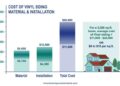
When considering vinyl siding for your home, it is important to understand the cost implications involved. Here, we will compare the cost of vinyl siding with other siding options, discuss factors that can impact the cost of a vinyl siding project, and provide tips on how to budget effectively for a vinyl siding installation.
Comparing Costs
- Vinyl siding is generally more affordable than other siding options such as wood, fiber cement, or brick.
- While the upfront cost of vinyl siding may be lower, it is important to consider long-term maintenance and replacement costs.
- Comparing the cost of materials, installation, and maintenance over the life of the siding can help determine the best value for your budget.
Factors Impacting Cost
- The size of your home and the amount of siding needed will significantly impact the overall cost of a vinyl siding project.
- Additional features such as insulation, color options, and trim details can add to the total cost.
- The complexity of the installation, such as the presence of obstacles, multiple stories, or custom cuts, can also affect the final price.
Budgeting Tips
- Get multiple quotes from reputable vinyl siding contractors to compare costs and services offered.
- Consider the quality of materials and installation when budgeting to ensure long-term durability and performance.
- Plan for unexpected expenses by setting aside a contingency fund in case of any surprises or changes during the installation process.
Last Point
In conclusion, navigating the realm of vinyl siding contractors requires attention to detail and a keen eye for quality workmanship. By following the tips and insights shared in this guide, homeowners can make informed decisions and achieve stunning results for their homes.
Helpful Answers
What are the benefits of vinyl siding?
Vinyl siding is known for its durability, low maintenance requirements, and versatility in terms of styles and colors.
How can I find reputable vinyl siding contractors?
Look for contractors with positive reviews, proper licenses, and insurance coverage. Ask for recommendations from friends or family members.
What factors can impact the cost of a vinyl siding project?
Factors such as the size of the project, choice of materials, and any additional customization can influence the overall cost of a vinyl siding installation.