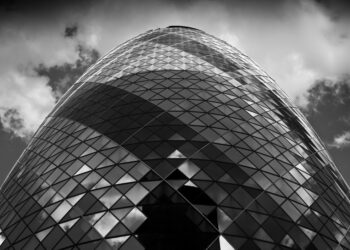

With brutalist design at the forefront, this paragraph opens a window to an amazing start and intrigue, inviting readers to embark on a storytelling journey filled with unexpected twists and insights.
Brutalist design is a unique architectural style that has captivated the world with its raw aesthetic and bold structures. From its origins to its impact on urban spaces, this style continues to provoke thought and discussion.
What is Brutalist design?
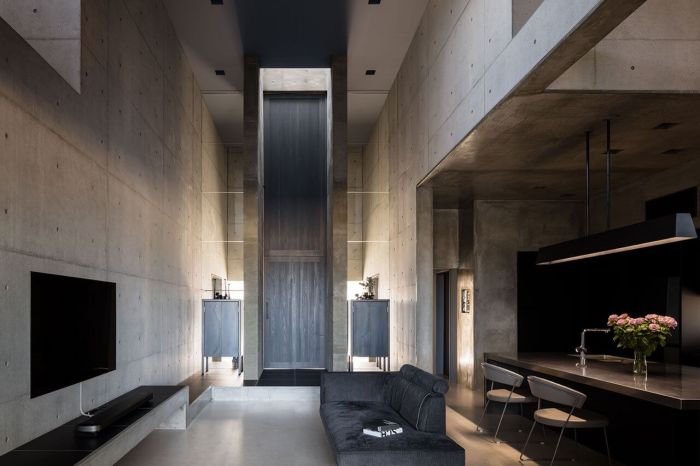
Brutalist design is a style of architecture that emerged in the mid-20th century, characterized by its use of raw concrete, bold geometric shapes, and a focus on function over form. The term "Brutalism" comes from the French word "béton brut," which means raw concrete.
Origins and Characteristics of Brutalist Architecture
Brutalist architecture originated in the 1950s and gained popularity throughout the 1960s and 1970s. Architects sought to create buildings that were honest, unadorned, and expressed the materials used in their construction. Some key characteristics of Brutalist architecture include:
- Raw, exposed concrete surfaces
- Geometric forms and shapes
- Minimalist design elements
- Massive and monolithic structures
- Emphasis on functionality and purpose
Examples of Famous Brutalist Buildings
Some of the most iconic Brutalist buildings around the world include:
- The Barbican Centre in London, UK
- Yale University's Art and Architecture Building in New Haven, USA
- Le Corbusier's Unité d'Habitation in Marseille, France
- The National Theatre in London, UK
- Boston City Hall in Boston, USA
Materials and textures in Brutalist design
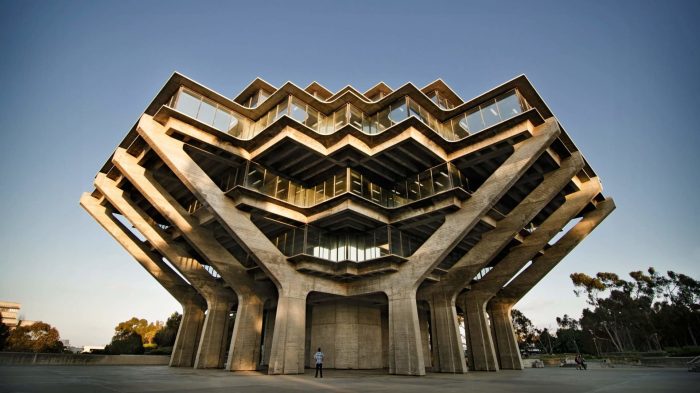
Brutalist architecture is characterized by the use of raw materials and textures that give buildings a rugged and industrial look. The choice of materials plays a crucial role in defining the overall aesthetic of Brutalist structures.
Common materials used in Brutalist architecture
In Brutalist design, concrete is the predominant material used for its durability and affordability. Other common materials include steel, glass, and brick, all of which contribute to the stark and imposing appearance of Brutalist buildings.
Significance of raw concrete and exposed materials
Raw concrete is a hallmark of Brutalist architecture, symbolizing honesty in materials and construction. The decision to leave materials exposed, without cladding or finishes, reflects a commitment to showcasing the inherent beauty of the materials themselves, rather than masking them for aesthetic purposes.
Role of textures in defining Brutalist structures
Textures play a key role in defining Brutalist structures by adding depth and visual interest to the buildings. The rough, unfinished surfaces of raw concrete create a sense of tactility and authenticity, reinforcing the raw and unpretentious nature of Brutalist design.
Functionality and form in Brutalist design
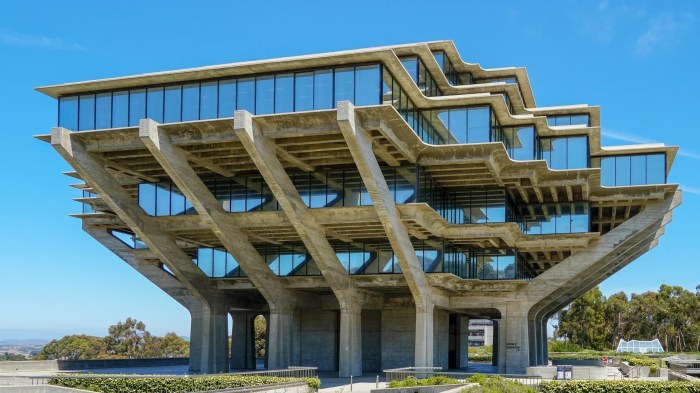
Brutalist design is known for its focus on functionality and form, where the relationship between the two is crucial in shaping the overall aesthetic of Brutalist buildings. Unlike other architectural styles that may prioritize aesthetics, Brutalism emphasizes the practical aspects of a structure while incorporating a distinct visual language.
Relationship between form and function in Brutalist buildings
In Brutalist design, the form of a building is often a direct result of its function. This means that the design elements, such as exposed concrete surfaces, geometric shapes, and minimal ornamentation, are not just for visual appeal but serve a purpose in enhancing the building's functionality.
The raw and honest expression of materials contributes to both the form and function of Brutalist buildings, creating a harmonious balance between the two.
Prioritization of functionality over aesthetics
Brutalist design places a strong emphasis on functionality over aesthetics. This approach is reflected in the simple, utilitarian nature of Brutalist buildings, where every architectural element serves a practical purpose. While some may find the aesthetic of Brutalism to be stark or imposing, the primary goal is to create buildings that are efficient, durable, and responsive to the needs of their users.
Impact of Brutalism on urban planning and public spaces
The influence of Brutalism extends beyond individual buildings to impact urban planning and public spaces. Many Brutalist structures were designed with the intention of serving the public, such as government buildings, libraries, and educational institutions. The bold and monumental presence of Brutalist architecture in urban environments has sparked debates on the role of architecture in shaping public spaces and the overall urban fabric.
Whether celebrated for its boldness or criticized for its perceived harshness, Brutalism has undoubtedly left a lasting impression on the built environment.
Criticisms and perceptions of Brutalist design
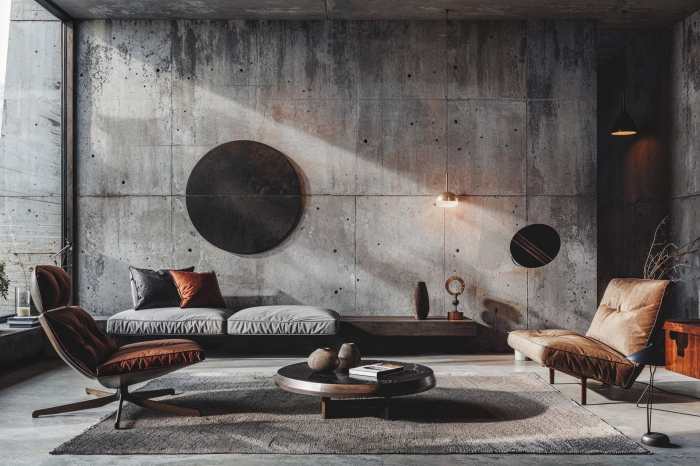
Brutalist architecture has faced its fair share of criticisms over the years, stemming from its imposing and often stark appearance. However, perceptions of Brutalist design have evolved, with some recognizing its unique aesthetic value. Let's delve into the criticisms faced by Brutalist architecture, the changing perceptions of Brutalist design, and the cultural significance of Brutalism in different regions.
Criticisms faced by Brutalist architecture
While some admire the raw, honest expression of materials in Brutalist design, others criticize it for its perceived brutality and lack of warmth. Critics often point to the harsh, unwelcoming facades of Brutalist buildings, which can come across as overly imposing and austere.
Additionally, concerns have been raised about the maintenance challenges associated with the exposed concrete used in many Brutalist structures.
Evolving perceptions of Brutalist design over time
Despite the initial backlash against Brutalism, perceptions of this architectural style have started to shift. Many now appreciate the boldness and authenticity of Brutalist design, seeing it as a reflection of the socio-political context of its time. As preservation efforts increase, some Brutalist buildings are being reevaluated and celebrated for their architectural significance and historical value.
Cultural significance of Brutalism in different regions
Brutalism's cultural significance varies across different regions, influenced by historical context and local architectural traditions. In some areas, Brutalist buildings are seen as symbols of progress and modernity, while in others, they are met with disdain. The reception of Brutalist design is deeply intertwined with the socio-cultural landscape of each region, shaping how it is perceived and valued by the local community.
Conclusion
In conclusion, Brutalist design stands as a testament to the power of unconventional beauty and functionality. Its influence on architecture and urban planning is undeniable, leaving a lasting legacy that continues to shape our cities.
Frequently Asked Questions
What defines Brutalist design?
Brutalist design is characterized by its use of raw concrete, bold geometric shapes, and emphasis on functionality over aesthetics.
Why is raw concrete significant in Brutalist architecture?
Raw concrete is a key material in Brutalist design, symbolizing honesty, strength, and simplicity in architectural expression.
How does Brutalist design impact urban planning?
Brutalist structures often prioritize functionality and public space, influencing the layout and design of cities and urban environments.