
Delving into the realm of the cost of siding and installation, this introduction aims to provide readers with a comprehensive understanding of the topic. From different types of siding materials to cost-saving tips, this overview sets the stage for an informative discussion that delves into the intricacies of this essential home improvement project.
As we navigate through the various factors influencing costs, breakdowns of expenses, and hidden costs to consider, readers will gain valuable insights into making informed decisions when it comes to siding and installation projects.
Factors influencing the cost of siding and installation
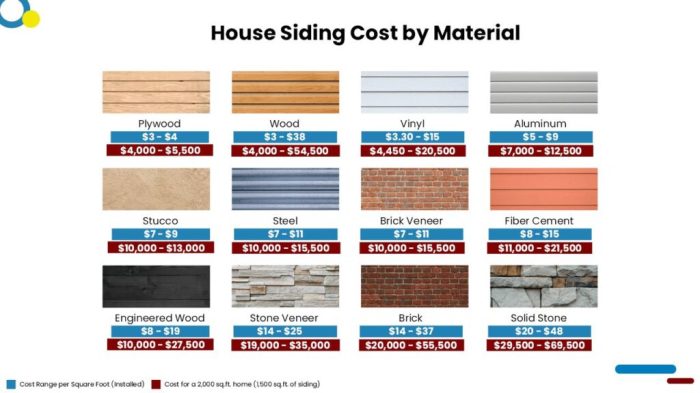
When considering the cost of siding and installation for your home, several key factors come into play that can impact the overall price. Understanding these factors can help you make informed decisions and budget accordingly.
Types of siding materials
Different siding materials come at varying price points, each with its own set of pros and cons. Here are some common types of siding materials:
- Vinyl siding: Affordable and low maintenance, making it a popular choice for many homeowners.
- Fiber cement siding: Durable and resistant to fire, insects, and rot, but can be more expensive than vinyl.
- Wood siding: Provides a natural and classic look, but requires more maintenance and can be costly.
- Stone veneer siding: Offers a high-end appearance but comes with a higher price tag.
Size of the house
The size of your house plays a significant role in determining the cost of siding and installation. Larger homes will require more materials and labor, resulting in higher overall costs compared to smaller homes.
Complexity of the installation job
The complexity of the installation job can also impact pricing. Factors such as the shape of the house, the presence of architectural details, and the need for additional preparation work can all contribute to increased costs.
Additional features
In addition to the basic siding and installation costs, there are additional features that can add to the total price. These may include:
- Trim work: Adding decorative trim pieces can enhance the overall look of the siding but will come at an extra cost.
- Insulation: Improving the energy efficiency of your home with insulated siding can increase the upfront cost but lead to long-term savings on energy bills.
- Soffits and fascia: Replacing or adding soffits and fascia boards can improve the aesthetics and functionality of your siding but will add to the overall price.
Cost breakdown for siding and installation
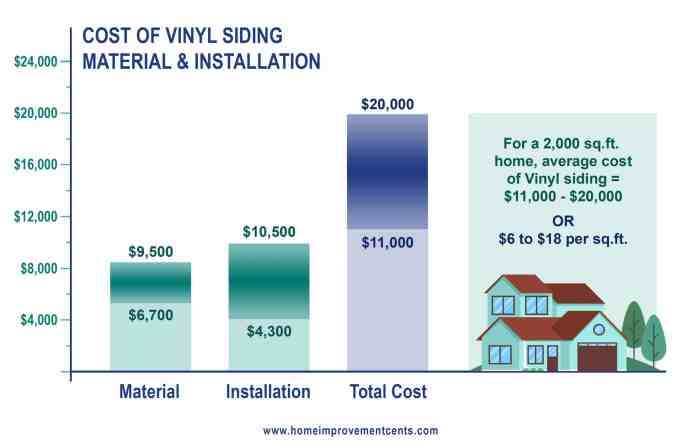
When considering the cost breakdown for siding and installation, it's essential to look at various factors that contribute to the overall expenses of the project. This breakdown typically includes material costs, labor costs, permits, and miscellaneous expenses. Understanding how these costs are distributed can help homeowners budget effectively and make informed decisions.
Material Costs
Material costs often account for a significant portion of the total expenses when it comes to siding and installation. Different siding materials come with varying price tags, ranging from affordable options like vinyl to more expensive choices like wood or fiber cement.
The quality, durability, and aesthetic appeal of the material can influence its cost.
Labor Costs
Labor costs encompass the expenses associated with hiring professionals to install the siding. The complexity of the installation process, the size of the project, and the expertise of the workers can all impact labor costs. It's crucial to factor in labor expenses when budgeting for siding installation.
Permits
Obtaining permits for siding installation is often a necessary step to ensure compliance with local building codes and regulations. Permit costs can vary depending on the location and the scope of the project. It's essential to budget for permit expenses to avoid any delays or legal issues during the installation process.
Miscellaneous Expenses
Miscellaneous expenses cover additional costs that may arise during the siding installation project. This can include equipment rental, disposal fees for old siding materials, and unexpected repairs or modifications. It's important to have a contingency fund to account for any unforeseen expenses that may arise.Overall, the cost breakdown for siding and installation varies depending on the material chosen, the size of the project, and the specific requirements of the installation process.
By understanding the average percentage distribution of costs among material costs, labor costs, permits, and miscellaneous expenses, homeowners can plan and budget effectively for their siding project.
Cost-saving tips for siding and installation
When considering siding and installation costs, there are several strategies you can utilize to save money without sacrificing quality. By following these cost-saving tips, you can achieve a beautiful and durable siding for your home while staying within your budget.
Negotiating with contractors
One effective way to lower labor costs for siding installation is by negotiating with contractors. Be open to discussing the scope of work, timeline, and pricing to find a mutually beneficial agreement. Consider getting multiple quotes from different contractors to compare prices and leverage this information during negotiations.
Choosing cost-effective siding materials
Opting for cost-effective siding materials can significantly reduce the overall cost of your siding project. While it's essential to prioritize quality and durability, there are affordable options available that can meet your aesthetic preferences and budget constraints. Explore materials like vinyl or fiber cement siding, which offer a balance between cost and performance.
DIY installation vs. hiring professionals
Another way to save on siding installation costs is by considering a do-it-yourself approach. If you have the necessary skills and tools, tackling the installation yourself can eliminate labor expenses. However, it's crucial to assess your capabilities realistically and ensure that you can achieve a professional finish.
Alternatively, hiring experienced professionals guarantees a high-quality installation but comes at a higher cost. Compare the potential savings of DIY installation versus professional services to make an informed decision.
Obtaining multiple quotes
Before committing to a siding installation project, it's essential to obtain multiple quotes from different contractors. This allows you to compare prices, services offered, and project timelines to make an informed decision. By collecting several quotes, you can negotiate better deals, identify cost-saving opportunities, and ensure that you are getting the best value for your investment.
Hidden costs to consider for siding projects
When planning for a siding project, it's essential to consider not only the upfront costs of materials and installation but also the hidden expenses that can arise throughout the process. These additional costs can impact your budget significantly if not accounted for from the beginning.
Disposal Fees and Equipment Rentals
One commonly overlooked cost when it comes to siding projects is the disposal of old materials and debris. Disposal fees can vary depending on your location and the amount of waste generated during the project. Additionally, if you need to rent equipment such as scaffolding or a dumpster, these rental costs should also be factored into your budget.
Impact of Unexpected Structural Issues
During the siding installation process, unexpected structural issues may be uncovered, such as rotting wood or water damage. Addressing these issues can add to the overall project cost, so it's important to have some flexibility in your budget to accommodate any unforeseen repairs that may be necessary.
Budgeting for Material Price Fluctuations
Material costs for siding can fluctuate based on market conditions, supply chain disruptions, or changes in demand. To account for these price fluctuations, it's wise to set aside a buffer in your budget to ensure you can still complete the project if prices increase unexpectedly.
Importance of Contingency Funds
Setting aside contingency funds for unforeseen expenses is crucial when undertaking a siding project. Having a reserve budget can give you peace of mind knowing that you are prepared for any additional costs that may arise, helping you avoid financial stress during the project.
Concluding Remarks
In conclusion, the cost of siding and installation is a multifaceted aspect of home improvement that requires careful consideration and planning. By understanding the factors at play and implementing cost-saving strategies, homeowners can embark on these projects with confidence and financial prudence.
Whether it's negotiating with contractors or budgeting for unforeseen expenses, being well-informed is key to a successful siding and installation project.
FAQ Resource
What are the different types of siding materials?
There are various types of siding materials available, including vinyl, wood, fiber cement, and metal.
How does the size of the house affect the overall cost?
The larger the house, the more materials and labor will be required, leading to higher overall costs for siding and installation.
What are some cost-saving tips for siding and installation?
Some cost-saving tips include negotiating with contractors, choosing affordable yet quality materials, and obtaining multiple quotes for better cost comparison.
What hidden costs should be considered for siding projects?
Hidden costs to consider include disposal fees, unexpected structural issues, potential material cost fluctuations, and setting aside contingency funds for unforeseen expenses.