

Embark on a journey through the world of interior remodeling, where homes undergo stunning transformations to reflect personal style and functionality. This article delves into the core aspects of interior remodeling, offering insights that will inspire and inform both novice and seasoned enthusiasts.
From planning and budgeting to DIY tips and hiring professionals, discover the keys to creating a space that truly feels like home.
Overview of Interior Remodeling
Interior remodeling refers to the process of making significant changes to the interior of a home to enhance its functionality, aesthetic appeal, and overall value. It involves renovating, upgrading, or redesigning various aspects of the interior space, such as the layout, fixtures, finishes, and overall décor.
Interior remodeling is a crucial aspect of home improvement as it allows homeowners to tailor their living space to meet their specific needs and preferences.
Benefits of Interior Remodeling Projects
Interior remodeling projects offer numerous benefits to homeowners, including:
- Increased Property Value: Remodeling the interior of a home can significantly increase its resale value, making it a worthwhile investment.
- Enhanced Comfort and Functionality: By updating the layout, fixtures, and features, homeowners can improve the comfort and functionality of their living space.
- Improved Energy Efficiency: Upgrading to energy-efficient appliances, lighting, and insulation during a remodel can help reduce energy costs and environmental impact.
- Personalization: Interior remodeling allows homeowners to personalize their space and create a home that reflects their unique style and preferences.
Difference Between Interior Remodeling and Interior Design
While interior remodeling involves making structural changes to the interior space, such as tearing down walls, installing new fixtures, or changing the layout, interior design focuses on the aesthetics and functionality of the space through decoration, furnishings, and color schemes.
Interior remodeling is more extensive and involves physical alterations, whereas interior design is typically cosmetic and focuses on enhancing the visual appeal of the space.
Planning for Interior Remodeling
When considering an interior remodeling project, proper planning is essential to ensure a successful outcome. This involves several key steps, such as setting a budget, creating a timeline, and carefully considering the design and layout of the space.
Essential Steps in Planning an Interior Remodeling Project
- Assess the current space: Take inventory of the existing layout, features, and condition of the space to determine what needs to be changed or updated.
- Define your goals: Clearly Artikel your objectives for the project, whether it's to improve functionality, increase storage, or enhance aesthetics.
- Hire a professional: Consider consulting with an interior designer or contractor to help plan and execute the remodeling project.
- Create a detailed plan: Develop a comprehensive plan that includes a layout, materials, colors, and any other specific requirements for the project.
Tips on Setting a Budget for Interior Remodeling
- Evaluate your finances: Determine how much you can realistically spend on the remodeling project without compromising other financial obligations.
- Research costs: Get estimates from contractors, suppliers, and other professionals to understand the potential expenses involved in the project.
- Allocate funds wisely: Prioritize the essential elements of the project and allocate funds accordingly to ensure you stay within budget.
- Include a contingency: Set aside a contingency fund for unexpected expenses or changes that may arise during the remodeling process.
Importance of Creating a Timeline for the Remodeling Process
- Stay organized: A timeline helps you stay on track and ensures that the project progresses smoothly and efficiently.
- Coordinate tasks: By setting deadlines for each phase of the project, you can coordinate tasks effectively and avoid delays.
- Manage expectations: A timeline provides a realistic timeframe for completion, allowing all parties involved to understand the project's scope and duration.
Interior Remodeling Ideas
When it comes to interior remodeling, there are plenty of ideas to consider for different rooms in a house. Whether you're looking to update your living room, kitchen, bedroom, or bathroom, here are some popular interior remodeling ideas to inspire your next project.
Open-Concept Layouts
One of the current trends in interior remodeling is open-concept layouts. This design style involves removing walls to create a more open and spacious feel in the home. It allows for better flow between rooms, making the space feel larger and more inviting.
Smart Home Integration
Another popular trend is incorporating smart home technology into interior remodeling projects. This can include installing smart thermostats, lighting systems, security cameras, and more. These features not only add convenience but also increase the overall value of the home.
Sustainable and Eco-Friendly Elements
Many homeowners are now opting to incorporate sustainable and eco-friendly elements into their interior remodeling projects. This can include using recycled materials, energy-efficient appliances, low VOC paints, and natural lighting solutions. By making these choices, you can reduce your carbon footprint and create a healthier living environment for you and your family.
Hiring Professionals for Interior Remodeling
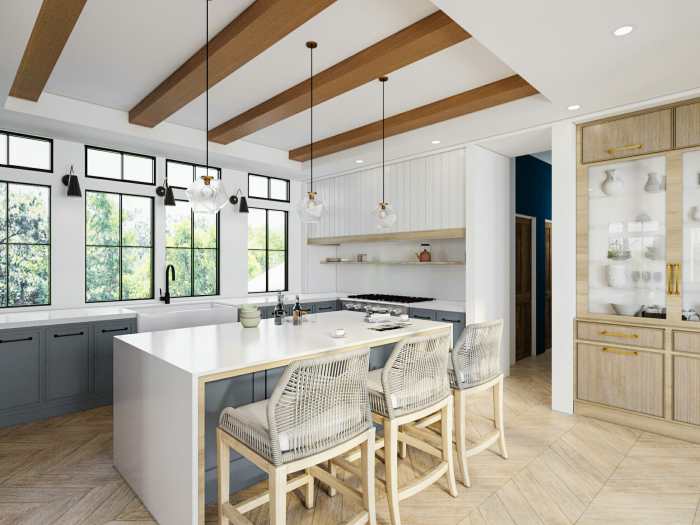
When it comes to interior remodeling, hiring professional contractors can offer numerous benefits that can make the process smoother and more efficient.
Benefits of Hiring Professional Contractors
There are several advantages to hiring professionals for your interior remodeling project:
- Expertise and Experience: Professional contractors have the knowledge and experience to handle various aspects of the remodeling process effectively.
- Quality Workmanship: Professionals can deliver high-quality work that meets industry standards and regulations.
- Time and Cost Efficiency: Hiring professionals can save you time and money in the long run by avoiding costly mistakes and ensuring timely completion of the project.
- Access to Resources: Professionals have access to a network of suppliers, subcontractors, and other resources that can streamline the remodeling process.
- Peace of Mind: Working with professionals can give you peace of mind knowing that your project is in capable hands.
Finding Reputable Contractors or Interior Designers
When looking for reputable contractors or interior designers for your remodeling project, consider the following tips:
- Ask for Recommendations: Seek recommendations from friends, family, or colleagues who have had positive experiences with contractors.
- Check Credentials: Make sure to verify the licenses, certifications, and insurance of potential contractors to ensure they meet legal requirements.
- Review Portfolios: Look at the portfolios of contractors to assess the quality of their work and see if their style aligns with your vision.
- Read Reviews: Check online reviews and testimonials to get a sense of the contractor's reputation and customer satisfaction.
- Interview Candidates: Meet with potential contractors or interior designers to discuss your project, ask questions, and gauge their communication skills and professionalism.
Communicating Effectively with Professionals
Effective communication is key to a successful remodeling project. Here are some tips for communicating effectively with professionals:
- Be Clear About Your Vision: Clearly communicate your ideas, preferences, and expectations to ensure that the professionals understand your vision for the project.
- Establish a Communication Plan: Set up regular check-ins, meetings, or updates with the professionals to stay informed about the progress and address any concerns promptly.
- Provide Feedback: Offer feedback on the work done and express any concerns or changes you may have along the way to keep the project on track.
- Ask Questions: Don't hesitate to ask questions or seek clarification on any aspect of the project to avoid misunderstandings and ensure transparency.
- Respect Professional Expertise: Trust the expertise of the professionals and be open to their suggestions and recommendations based on their experience.
DIY Interior Remodeling
Embarking on a DIY interior remodeling project can be a rewarding experience, allowing homeowners to personalize their space and save on costs. However, it's important to approach these tasks with caution and proper planning.
Tools and Materials for DIY Interior Remodeling
Before diving into any DIY project, it's essential to have the right tools and materials on hand. Here are some common items you may need for various interior remodeling tasks:
- Measuring tape
- Hammer
- Screwdriver set
- Paintbrushes and rollers
- Sanding block
- Safety goggles
- Paint or wallpaper
- Flooring materials (e.g., tiles, laminate)
Safety Tips for DIY Interior Remodeling
When tackling DIY interior remodeling projects, safety should always be a top priority. Here are some essential safety tips and best practices to keep in mind:
- Wear appropriate safety gear, such as goggles and gloves, to protect yourself from injuries.
- Turn off electricity and water supply before working on electrical or plumbing tasks.
- Follow manufacturer instructions when using power tools to prevent accidents.
- Work in a well-ventilated area when using paints, adhesives, or other chemicals to avoid inhaling fumes.
- Take breaks as needed to prevent fatigue and ensure you're working with a clear mind.
Budgeting for Interior Remodeling

When planning for interior remodeling, it is crucial to carefully consider your budget to ensure the project stays within financial constraints. Here are some important factors to keep in mind:
Cost Considerations for Interior Remodeling Projects
- Materials: Research different options for materials and compare prices to find the best quality at the most affordable price.
- Labor: Factor in the costs of hiring professionals or contractors for the remodeling work.
- Permits and Fees: Budget for any necessary permits or inspection fees that may be required for the project.
- Contingency Fund: Set aside a buffer amount for unexpected expenses or changes in the project scope.
Ways to Save Money on Interior Remodeling
- DIY: Consider tackling some aspects of the remodeling project yourself to save on labor costs.
- Shop Sales: Wait for seasonal sales or discounts on materials and finishes to get the best deals.
- Reuse or Repurpose: Look for opportunities to reuse existing materials or furniture in the space to save on costs.
Cost-Effective Alternatives for Materials or Finishes
- Laminate Flooring: Opt for laminate flooring instead of hardwood for a more budget-friendly option.
- Paint: A fresh coat of paint can transform a space without breaking the bank. Consider painting cabinets or walls for a cost-effective update.
- Tile Backsplash: Choose a simple tile design for the backsplash to save on costs while still adding a stylish element to the kitchen or bathroom.
Epilogue
In conclusion, interior remodeling is a dynamic process that allows homeowners to breathe new life into their living spaces. By embracing creativity, practicality, and expert guidance, anyone can achieve a home that is both beautiful and functional. Dive into the world of interior remodeling and unlock the potential within your walls.
Questions and Answers
What is the difference between interior remodeling and interior design?
Interior remodeling involves making structural changes to a space, such as altering layouts or adding new features. Interior design focuses on aesthetics, furnishings, and decor without altering the structure.
How can I save money on interior remodeling projects?
You can save money by repurposing existing furniture, opting for cost-effective materials, and tackling certain tasks yourself if you have the skills.
Is it necessary to hire professional contractors for interior remodeling?
While DIY projects are possible, hiring professionals ensures quality work, adherence to building codes, and timely completion of the project.