
Delving into the realm of Arup Architecture, this paragraph sets the stage for a fascinating journey through the world of innovative design and sustainable practices, captivating readers with a glimpse of what's to come.
Providing a detailed overview of the history, core principles, and significance of Arup Architecture, this paragraph sets the foundation for an in-depth exploration of this renowned architectural firm.
Overview of Arup Architecture
Arup Architecture is a renowned architectural firm known for its innovative and sustainable design solutions. Founded in 1946 by Sir Ove Arup, the firm has established a global presence with offices in various countries. Arup Architecture has been involved in designing iconic structures such as the Sydney Opera House and the Centre Pompidou.
Core Principles of Arup Architecture
- Integrated Design Approach: Arup Architecture emphasizes a collaborative and integrated design process that brings together architects, engineers, and other specialists to create holistic solutions.
- Sustainability: Sustainability is a key principle for Arup Architecture, with a focus on incorporating environmentally friendly practices and materials in their designs.
- Innovation: Arup Architecture is known for pushing the boundaries of architectural design through innovation and cutting-edge technologies.
Significance of Arup Architecture
Arup Architecture plays a significant role in the field of architectural design for several reasons:
- Iconic Projects: Arup Architecture has been behind some of the most iconic and visually striking buildings in the world, shaping the architectural landscape.
- Collaborative Approach: The firm's collaborative approach to design ensures that projects are not only visually appealing but also functional and sustainable.
- Influence on Industry: Arup Architecture's innovative designs and commitment to sustainability have set a benchmark for the industry, inspiring other firms to follow suit.
Notable Projects by Arup Architecture
Arup Architecture has been involved in numerous groundbreaking projects that have left a lasting impact on the architectural world. These projects showcase the innovative design approach and technical expertise of Arup Architecture.
Sydney Opera House, Australia
The Sydney Opera House is one of the most iconic and recognizable buildings in the world, designed by Danish architect Jørn Utzon and completed in 1973. Arup Architecture played a crucial role in the engineering and structural design of this masterpiece.
The innovative sail-like shell roof design and the use of precast concrete panels are some of the key features that showcase Arup's engineering prowess. The Sydney Opera House has become a symbol of modern architecture and a UNESCO World Heritage Site, leaving a lasting impact on the architectural landscape.
Beijing National Stadium (Bird’s Nest), China
The Beijing National Stadium, also known as the Bird's Nest, was the main venue for the 2008 Beijing Olympics. Arup Architecture collaborated with Swiss architects Herzog & de Meuron to design this iconic stadium. The innovative steel structure and the intricate lattice design of the facade are some of the standout features of the Bird's Nest.
This project not only showcased Arup's expertise in structural engineering but also had a significant impact on the architectural landscape of Beijing, becoming a symbol of modernity and innovation.
Fulton Center, New York City
The Fulton Center in New York City is a major transportation hub that integrates several subway lines and provides a modern, efficient space for commuters. Arup Architecture was responsible for the structural design and engineering of this complex project. The innovative use of a large oculus skylight, natural light optimization, and the intricate steel and glass structure are some of the design features that set Fulton Center apart.
This project has not only improved the functionality of the transportation system in New York City but has also contributed to the architectural landscape of the city.
Collaborations and Partnerships
Arup Architecture has a long history of engaging in collaborations and partnerships with various entities in the architecture and construction industry. These collaborations have played a significant role in shaping the firm's innovative and groundbreaking projects.
Key Collaborations
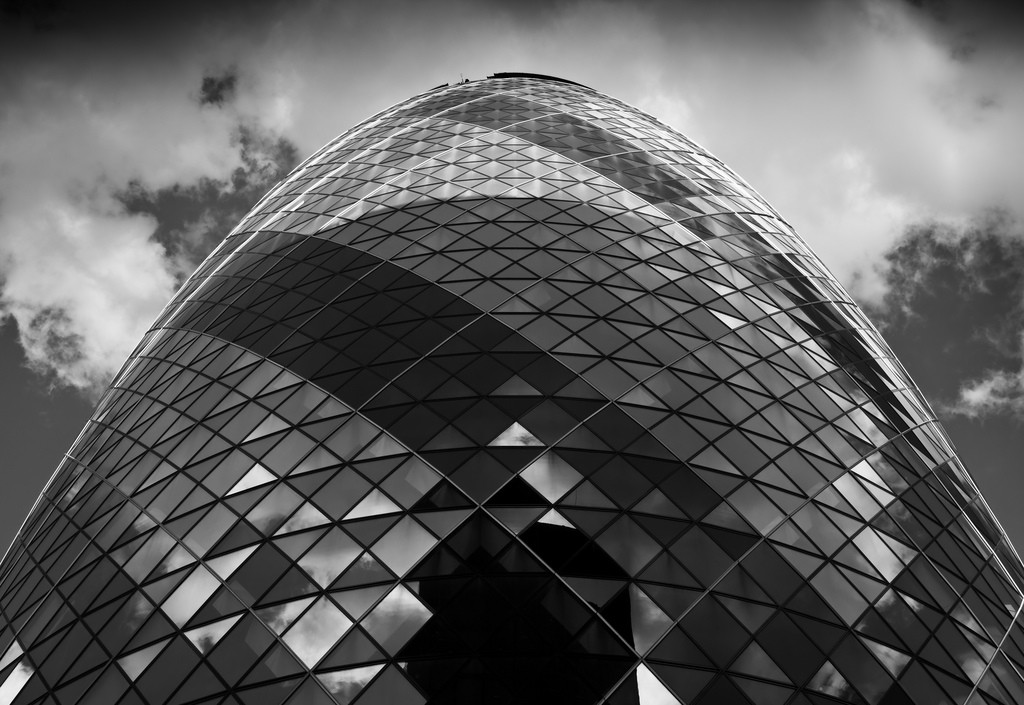
- Collaboration with Foster + Partners: Arup Architecture has worked closely with renowned architectural firm Foster + Partners on several projects, combining their expertise in structural engineering and architectural design. One notable collaboration is the Swiss Re Headquarters in London, also known as the Gherkin, which showcases their successful partnership.
- Partnership with OMA: Arup Architecture has collaborated with the Office for Metropolitan Architecture (OMA) on various projects around the world. Their partnership on the CCTV Headquarters in Beijing, China, demonstrates their ability to deliver complex and iconic architectural designs through effective collaboration.
- Joint ventures with local firms: Arup Architecture often forms joint ventures with local architectural firms to combine global expertise with local knowledge. These partnerships have enabled the firm to successfully navigate different regulatory environments and cultural contexts, resulting in projects that resonate with local communities.
Influence on Arup Architecture’s Work
These collaborations and partnerships have had a profound impact on Arup Architecture's work, allowing the firm to push the boundaries of architectural innovation and sustainability. By joining forces with other industry leaders, Arup Architecture has been able to leverage diverse perspectives and expertise to create groundbreaking designs that inspire and endure.
Sustainable Design Practices
Arup Architecture is committed to integrating sustainable design practices into all their architectural projects. By prioritizing environmental stewardship and social responsibility, they aim to create buildings that have a positive impact on the environment and the communities they serve.
Energy Efficiency
Arup Architecture focuses on designing buildings that are energy-efficient by utilizing passive design strategies, such as natural ventilation and daylighting, to reduce the reliance on artificial heating and cooling systems. They also incorporate energy-efficient technologies like solar panels and high-performance building materials to minimize energy consumption.
Water Conservation
In their projects, Arup Architecture incorporates water-efficient fixtures, rainwater harvesting systems, and greywater recycling to reduce water consumption and minimize the strain on local water resources. By implementing these measures, they aim to promote water conservation and sustainability.
Material Selection
Arup Architecture prioritizes the use of sustainable and locally sourced materials in their projects to reduce carbon emissions associated with transportation and minimize the environmental impact of construction. They also focus on selecting materials that are durable, recyclable, and have low embodied energy to enhance the longevity and sustainability of their buildings.
Green Infrastructure
To mitigate the impact of urban development on the environment, Arup Architecture integrates green infrastructure elements like green roofs, permeable paving, and urban gardens into their projects. These green spaces help reduce heat island effects, improve air quality, and provide habitats for wildlife, contributing to the overall sustainability of the built environment.
Community Engagement
In addition to incorporating sustainable design features, Arup Architecture actively engages with local communities to understand their needs and aspirations. By involving stakeholders in the design process and fostering a sense of ownership, they create buildings that not only benefit the environment but also enhance the quality of life for the people who interact with them.
Outcome Summary
In conclusion, the impact of Arup Architecture on the architectural landscape is profound and far-reaching, paving the way for sustainable design practices and groundbreaking projects that inspire and transform communities.
FAQ Resource
What sets Arup Architecture apart from other firms?
Arup Architecture is known for its innovative approach to design, integrating sustainability and cutting-edge technology into every project.
Can individuals visit Arup Architecture's projects?
While some projects may be accessible to the public, it's best to check with the specific project location for visiting information.
How does Arup Architecture contribute to environmental sustainability?
Arup Architecture prioritizes sustainable design practices, such as energy efficiency and use of renewable materials, to minimize environmental impact.