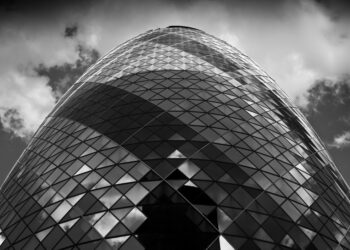

Step into the world of architectural marvels with a tour of Gropius House. This iconic structure stands as a testament to innovation and design, captivating visitors with its unique charm and historical significance.
Delve deeper into the details of its architecture, interior design, and the visionary behind it all, Walter Gropius.
Overview of Gropius House
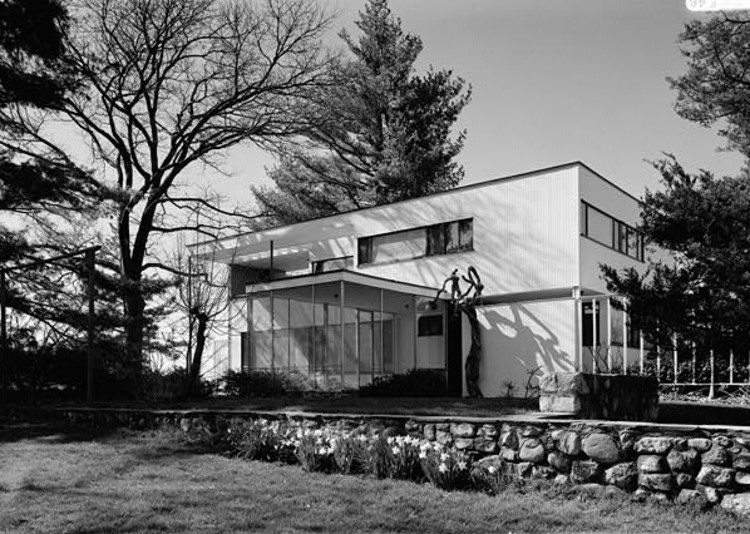
The Gropius House, located in Lincoln, Massachusetts, is a significant example of Bauhaus architecture, designed by the renowned architect Walter Gropius. Built in 1938, the house showcases the principles of modernist design with its clean lines, flat roof, and integration of indoor and outdoor spaces.
Architectural Style
The architectural style of Gropius House is characterized by its simplicity, functionality, and emphasis on geometric forms. It features an open floor plan, large windows for natural light, and a harmonious blend of traditional and modern materials such as wood, glass, and brick.
Historical Significance
Gropius House holds immense historical significance as it represents the pioneering ideas of the Bauhaus movement, which aimed to reconcile art and functionality in design. Walter Gropius, the founder of the Bauhaus School, designed the house after emigrating to the United States to escape the rise of fascism in Europe.
Key Features
- The use of industrial materials like steel and concrete in a residential context.
- Integration of nature through large windows and outdoor terraces.
- Minimalist aesthetic with an emphasis on functionality and efficiency.
- Innovative use of space with an open floor plan and flexible living areas.
Walter Gropius
Architect
Architect
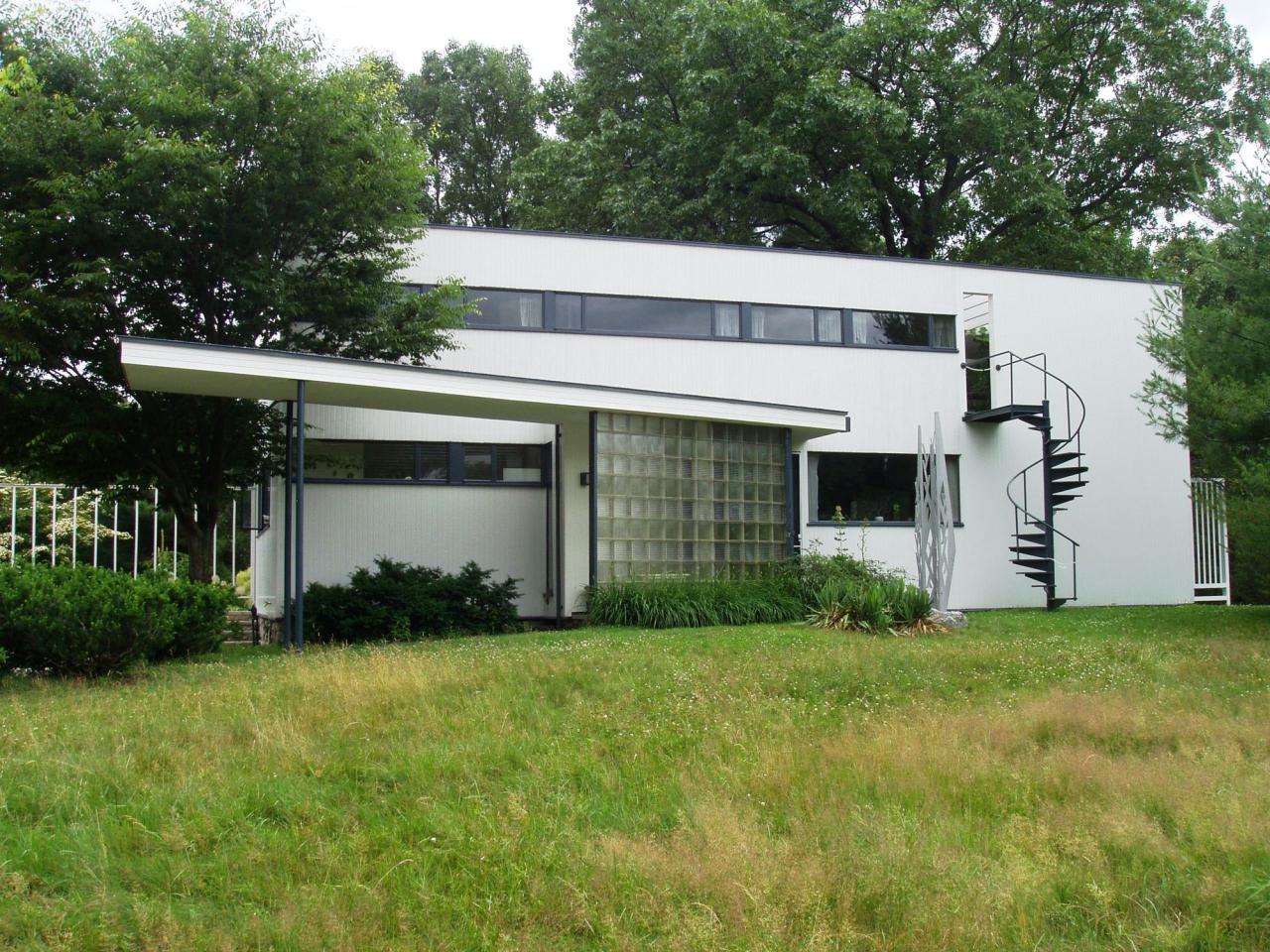
Walter Gropius, born in 1883 in Germany, was a pioneering architect and one of the most influential figures in modern architecture. He founded the Bauhaus School in 1919, which became a major center for modernist design and thinking.Gropius' Influence on Modern Architecture:As the founder of the Bauhaus movement, Gropius played a crucial role in shaping the direction of modern architecture.
He believed in the integration of art, craft, and technology to create functional and aesthetically pleasing designs. Gropius' emphasis on simplicity, functionality, and the use of new materials influenced countless architects around the world.Design Philosophy of Walter Gropius:Gropius believed in the idea of "total architecture," where all aspects of design
- from the building itself to the smallest details of furniture and fittings
- were considered as part of a unified whole. He focused on creating spaces that were efficient, light-filled, and conducive to modern living. Gropius also believed in the importance of collaboration between architects, artists, and craftsmen to achieve the best possible results.
Reflection in Gropius House:The design of Gropius House in Massachusetts reflects many of Gropius' design principles. The house features an open floor plan, large windows that let in natural light, and a seamless connection between indoor and outdoor spaces. The use of simple geometric forms, exposed structural elements, and a minimalist color palette further showcase Gropius' modernist aesthetic.
Interior Design of Gropius House
The interior design of Gropius House reflects Walter Gropius's modernist principles and innovative approach to architecture. The layout and spaces within the house are carefully planned to enhance functionality and aesthetics.
Layout and Spaces
The interior of Gropius House features an open floor plan with interconnected living, dining, and kitchen areas, promoting a sense of unity and flow. The use of sliding walls allows for flexible room configurations, adapting to the needs of the occupants.
Large windows and glass doors bring in plenty of natural light, blurring the boundaries between indoor and outdoor spaces.
Materials and Colors
Walter Gropius incorporated a mix of materials such as glass, wood, and concrete in the interior design of the house. The use of these materials creates a harmonious blend of textures and finishes, adding depth and visual interest to the spaces.
Neutral colors like white, gray, and beige dominate the color palette, creating a timeless and serene atmosphere throughout the house.
Contribution to Aesthetic
The interior design elements of Gropius House contribute to its overall aesthetic by emphasizing simplicity, functionality, and elegance. Clean lines, geometric shapes, and minimal ornamentation define the modernist style of the house, reflecting Gropius's belief in the beauty of simplicity.
The thoughtful integration of form and function in the interior design enhances the architectural integrity of the house, creating a cohesive and visually striking environment.
Preservation and Restoration
Preserving Gropius House is a crucial task to maintain the legacy of Walter Gropius and showcase his architectural brilliance. Efforts have been made to ensure the house remains a significant cultural landmark for future generations.
Preservation Efforts
Various measures have been taken to preserve the integrity of Gropius House:
- Regular maintenance checks to address any structural issues and prevent deterioration.
- Documentation of the original design and materials used in the construction for reference.
- Implementing climate control systems to regulate temperature and humidity levels to protect the interior.
Restoration Projects
Several restoration projects have been undertaken to keep Gropius House in top condition:
- Repairing and replacing damaged or worn-out elements such as windows, doors, and roofing.
- Refurbishing interior spaces with period-appropriate furniture and decor to recreate the ambiance of Gropius's time.
- Restoring the landscaping around the house to match the original design envisioned by Gropius.
Challenges in Maintaining Authenticity
While preserving Gropius House, the challenge lies in balancing authenticity with longevity:
- Ensuring that any modern interventions or repairs do not compromise the original design intent of Walter Gropius.
- Finding skilled craftsmen and experts who can work with traditional materials and techniques to maintain the historical accuracy of the house.
- Navigating the fine line between restoration and renovation to preserve the architectural significance while accommodating modern needs.
Final Review
As we conclude our journey through Gropius House, we are left with a profound appreciation for its timeless beauty and the enduring legacy of its creator. Explore, discover, and be inspired by this architectural gem that continues to stand the test of time.
Common Queries
What is the architectural style of Gropius House?
The architectural style of Gropius House is a blend of modernism and functionalism, characterized by clean lines and a focus on simplicity.
Who was Walter Gropius?
Walter Gropius was a renowned German architect and founder of the Bauhaus School, known for his pioneering contributions to modern architecture.
How are materials and colors used in the interior design of Gropius House?
The interior design of Gropius House features a harmonious use of natural materials like wood and stone, complemented by a neutral color palette to enhance the sense of space and light.
What restoration projects have been undertaken on Gropius House?
Several restoration projects have been carried out to maintain the authenticity of Gropius House, including repairs to the roof, windows, and preservation of original design elements.
What distinguishes Gropius House from other architectural designs?
Gropius House is distinguished by its innovative approach to blending form and function, creating a seamless integration of indoor and outdoor spaces that redefine modern living.