
Delving into the world of room colour design, we uncover the transformative power colours hold in shaping our living spaces. From influencing our moods to boosting productivity, the choice of colours plays a crucial role in creating an ambiance that resonates with our style and personality.
Let's explore the art of colour selection and its impact on our homes.
As we navigate through the different aspects of room colour design, we will discover the keys to creating harmonious and visually appealing interiors that reflect individual preferences and lifestyle choices.
Importance of Room Colour Design
Room colour design plays a crucial role in setting the overall atmosphere and feel of a space. The choice of colours can significantly impact the mood, productivity, and even the perceived size of a room.
Psychological Effects of Different Colours
- Blue: Known to promote calmness and relaxation, making it ideal for bedrooms or offices where focus is needed.
- Yellow: Often associated with happiness and energy, making it a great choice for kitchens or living areas.
- Green: Symbolizes nature and harmony, creating a sense of balance and tranquility in a room.
- Red: Stimulates energy and passion, but can be overwhelming if used excessively.
- Neutral Colors (e.g., white, beige): Versatile and timeless, they can create a sense of cleanliness and simplicity.
Consideration of Natural Light
When choosing room colours, it's essential to consider the amount of natural light the space receives. Rooms with ample natural light can handle darker or bolder colours, while rooms with limited light may benefit from lighter shades to create a more open and airy feel.
Factors to Consider for Room Colour Design
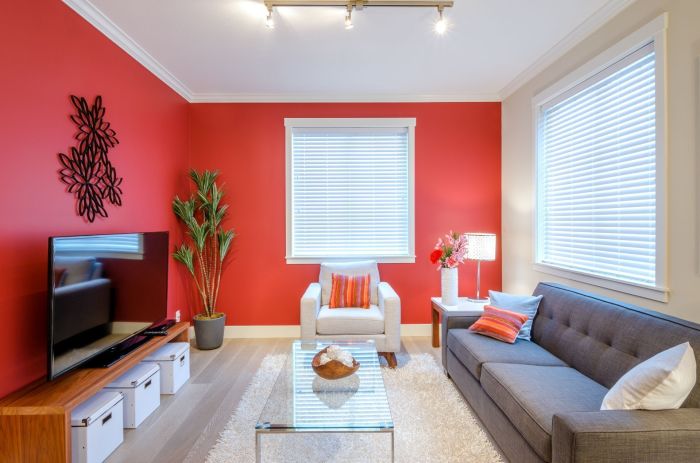
When choosing the right colours for a room, several factors come into play to ensure a cohesive and visually appealing design. Factors such as room size, furniture, decor, and the room's function all play a crucial role in determining the appropriate colour scheme.
Role of Room Size in Selecting Appropriate Colours
The size of a room can greatly impact the choice of colours. In smaller rooms, lighter colours can help create a sense of space and openness, while darker colours can make a larger room feel more cozy and intimate. It is essential to consider the proportions of the room when selecting colours to achieve the desired visual effect.
Choosing Colours that Complement Furniture and Decor
When selecting colours for a room, it is important to consider how they will complement the existing furniture and decor. Harmonizing the colour palette with the furnishings can create a cohesive and well-coordinated look. Consider the undertones of the furniture and decor pieces to ensure that the colours work together harmoniously.
Significance of Room’s Function in Determining Colour Choices
The function of the room should also influence the colour choices. For example, calming and soothing colours like blues and greens are ideal for bedrooms, while vibrant and energetic colours like reds and oranges are more suitable for spaces like the living room or kitchen.
Understanding the purpose of the room will help in selecting colours that enhance the overall ambiance and mood.
Popular Colour Schemes for Different Room Types
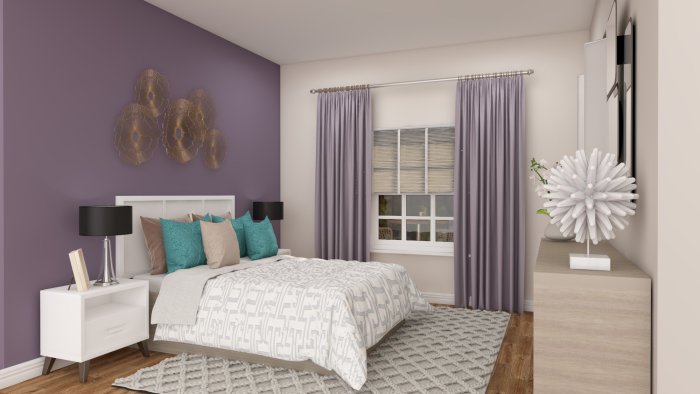
When it comes to designing different rooms in a house, choosing the right colour scheme is crucial as it can greatly impact the overall ambiance and feel of the space. Here, we will explore popular colour schemes suitable for bedrooms, living rooms, kitchens, and bathrooms, including examples of monochromatic, complementary, analogous, and triadic colour schemes, as well as how to create a cohesive colour palette for an entire home.
Bedrooms
In bedrooms, it is essential to create a relaxing and calming atmosphere. Consider using monochromatic colour schemes with varying shades of the same colour, such as different tones of blue or grey. Complementary colours like blue and orange can also work well to create a balance between warmth and coolness.
Living Rooms
For living rooms, you can opt for analogous colour schemes by choosing colours that are next to each other on the colour wheel, like green, yellow, and orange. This creates a harmonious and cohesive look. Alternatively, a triadic colour scheme using three colours evenly spaced on the colour wheel can add visual interest and vibrancy to the space.
Kitchens
In kitchens, where functionality is key, consider using a monochromatic colour scheme for a clean and modern look. Shades of white, grey, or beige can help create a timeless and sophisticated space. Complementary colours like blue and orange can also be used to add a pop of colour to the kitchen.
Bathrooms
Bathrooms are often smaller spaces where you can play with bolder colours. Try using complementary colours like blue and orange for a vibrant and energetic feel. A monochromatic colour scheme using different shades of one colour can also create a sense of tranquility and relaxation in the bathroom.
Cohesive Colour Palette for an Entire Home
To ensure a cohesive colour palette throughout the entire home, start by selecting a main colour that will be used as the base for all rooms. Then, choose accent colours that complement the main colour and can be used in different rooms to tie everything together.
Consider using varying shades of the same colours or sticking to a specific colour scheme, such as monochromatic, complementary, or analogous, to create a seamless flow from room to room.
Tips for Implementing Room Colour Design
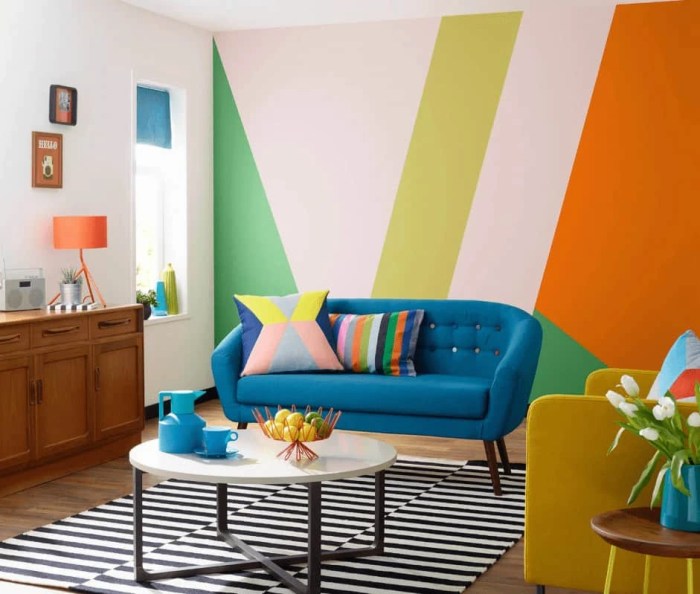
When it comes to implementing room colour design, there are several techniques and strategies that can help you achieve the desired look and feel for your space. From visually expanding or contracting a room to incorporating textures and patterns, here are some tips to consider:
Using Colour to Expand or Contract a Space
One effective way to visually expand a space is by using light and cool colours such as whites, light blues, or soft greens. These colours can create an illusion of openness and airiness, making the room feel larger than it actually is.
On the other hand, if you want to make a room feel cozier and more intimate, you can use warm and dark colours like deep reds, browns, or rich purples. These colours can help to visually contract the space, creating a more intimate and inviting atmosphere.
Utilizing Accent Walls for Interest and Depth
Accent walls are a great way to add interest and depth to a room without overwhelming the space with bold colours. By painting one wall in a room with a different colour or pattern, you can create a focal point that draws the eye and adds visual interest.
When choosing a colour for an accent wall, consider selecting a shade that complements the other walls in the room while still making a statement.
Incorporating Textures and Patterns Alongside Colours
To create a visually dynamic and engaging space, consider incorporating textures and patterns alongside colours in your room design. Mix and match different textures like smooth fabrics, rough wood, or shiny metals to add depth and visual interest. Additionally, incorporating patterns such as stripes, florals, or geometric shapes can help to create a cohesive and visually appealing look.
Just be sure to balance the use of textures and patterns with your colour scheme to create a harmonious and well-designed space.
Epilogue
In conclusion, room colour design offers a creative outlet for expressing personal taste and enhancing the atmosphere of any room. By understanding the principles behind colour selection and its effects, one can truly transform a space into a haven that exudes style and comfort.
Embrace the endless possibilities of colour and watch as your living spaces come to life with vibrance and sophistication.
FAQ Guide
How does room colour design impact the feel of a space?
Room colour design can drastically alter the perception of a room, making it appear larger, cozier, brighter, or more intimate depending on the chosen colours.
What are some popular colour schemes for different room types?
For bedrooms, soothing pastels or deep blues are often used. Living rooms benefit from warm neutrals or bold accents. Kitchens thrive with bright hues, while bathrooms feel serene with light shades.
How can one visually expand or contract a space using colour?
To visually expand a space, opt for lighter colours and strategic placement of mirrors. To make a space feel cozier, darker colours and rich textures can create a warm and intimate atmosphere.