
Embark on a journey through the world of room design ideas, where creativity meets functionality to create spaces that truly inspire. From color schemes to furniture selection, lighting design, textures, and patterns, this guide will provide you with all the essential elements to elevate your room design game.
In this comprehensive exploration, we will delve into the key aspects of room design, offering valuable insights and practical tips to help you craft a space that reflects your personality and style.
Room Design Basics
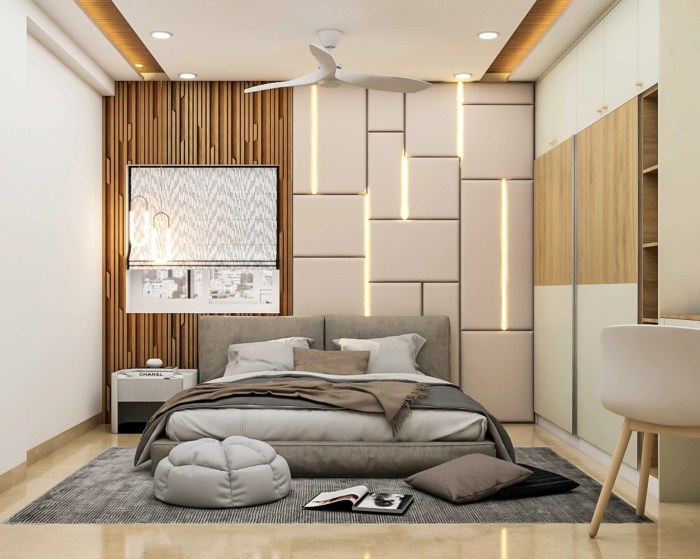
Room design plays a crucial role in creating a space that is functional, visually appealing, and reflective of your personal style. Whether you are designing a living room, bedroom, kitchen, or any other space, considering key elements and layout is essential to achieving a cohesive design scheme.
Key Elements to Consider
When designing a room, it is important to consider the following key elements:
- Color palette: Choose a color scheme that complements the function of the room and creates the desired atmosphere.
- Furniture arrangement: Arrange furniture in a way that allows for easy traffic flow and conversation areas.
- Lighting: Incorporate a mix of ambient, task, and accent lighting to enhance the room's functionality and ambiance.
- Texture and pattern: Add visual interest and depth to the space by incorporating a variety of textures and patterns.
- Personal touches: Infuse the room with your personality through accessories, artwork, and decor items that reflect your style.
Impact of Room Layout
The layout of a room can significantly impact the overall design. A well-thought-out layout can maximize space, improve functionality, and create a harmonious flow within the room. Consider factors like furniture placement, focal points, and traffic patterns when planning the layout of your space.
Tips for Creating a Cohesive Design Scheme
Creating a cohesive design scheme involves ensuring that all elements in the room work together harmoniously. Here are some tips to help you achieve a cohesive look:
- Stick to a consistent color palette throughout the room.
- Balance different elements such as texture, pattern, and scale.
- Ensure that furniture pieces complement each other in style and proportion.
- Use accessories and decor items to tie the room together and add visual interest.
- Consider the function of the room and design accordingly to meet your needs.
Color Schemes
Color plays a crucial role in setting the mood of a room, influencing how we feel and behave within that space. The right color scheme can transform a room from dull to vibrant, from cozy to spacious.When it comes to popular color schemes for different design styles, modern designs often feature a minimalist palette of blacks, whites, and greys, while rustic styles embrace earthy tones like browns, greens, and warm neutrals.
Scandinavian design, on the other hand, favors light, airy colors such as whites, pastels, and light blues.To visually expand a space, opt for lighter colors like whites or pale neutrals on walls and ceilings. This creates an illusion of openness and airiness.
Conversely, darker colors can make a room feel more intimate and cozy, perfect for creating a warm atmosphere.Incorporating accent colors is a great way to add personality and character to a room. Choose one or two bold hues to complement your main color scheme.
These accent colors can be introduced through accessories like pillows, rugs, artwork, or small pieces of furniture, creating a cohesive and visually appealing look.
Using Color to Create Contrast
When it comes to color schemes, creating contrast is key to adding visual interest to a room. By combining colors that are opposite on the color wheel, such as blue and orange or purple and yellow, you can create a dynamic and eye-catching look.
Additionally, using a mix of light and dark shades within the same color family can add depth and dimension to a space.
Furniture Selection
When it comes to designing a room, choosing the right furniture is crucial for creating a functional and aesthetically pleasing space. The furniture you select should not only complement the room's size and function but also contribute to the overall style and ambiance you want to achieve.
Importance of Scale and Proportion
Scale and proportion play a significant role in furniture selection. It's essential to consider the size of the room and the furniture pieces to ensure they are in harmony. Oversized furniture in a small room can make it feel cramped, while small furniture in a large room can look disproportionate.
- Measure the room dimensions accurately before purchasing furniture to ensure it fits well.
- Consider the height of the ceilings and the scale of existing architectural elements when choosing furniture.
- Maintain a balance between large and small furniture pieces to create visual interest.
Mixing and Matching Styles
Mixing different furniture styles can add personality and character to a room. However, it's essential to do so thoughtfully to avoid a chaotic or mismatched look.
- Choose a dominant style as a base and then incorporate pieces from other styles for contrast.
- Look for common elements such as color, material, or shape to tie different furniture pieces together.
- Experiment with mixing modern and traditional styles for a unique and eclectic look.
Maximizing Storage
Furniture can also serve a practical purpose by providing storage solutions to help keep the room organized and clutter-free.
- Opt for furniture pieces with built-in storage like ottomans with hidden compartments or bed frames with drawers.
- Utilize vertical space with tall bookshelves or cabinets to store items vertically and save floor space.
- Consider multifunctional furniture pieces like a sofa bed or a coffee table with storage to maximize functionality in a small space.
Lighting Design
Lighting plays a crucial role in room design, as it not only illuminates the space but also sets the mood and enhances the overall aesthetic. Different types of lighting, such as ambient, task, and accent, serve specific purposes in creating a well-balanced and inviting atmosphere.
Types of Lighting
- Ambient Lighting: Provides overall illumination in a room, typically through ceiling-mounted fixtures or wall sconces. It sets the general mood and brightness levels.
- Task Lighting: Focused lighting that illuminates specific areas for activities like reading, cooking, or working. Examples include desk lamps, under-cabinet lights, and pendant lights.
- Accent Lighting: Used to highlight focal points or architectural features in a room, creating visual interest. This can be achieved with track lighting, wall washers, or picture lights.
Layering Lighting Tips
- Combine different types of lighting to create depth and dimension in the room.
- Use a mix of overhead lighting, task lighting, and accent lighting to ensure adequate illumination and visual appeal.
- Consider dimmers for flexibility in adjusting the light levels according to the time of day or desired ambiance.
- Utilize lighting fixtures with varying heights and placements to avoid dark spots and evenly distribute light throughout the space.
Incorporating Natural Light
- Maximize natural light by keeping windows unobstructed and using light-filtering treatments like sheer curtains or blinds.
- Position mirrors strategically to reflect natural light and make the room appear brighter and more spacious.
- Consider the orientation of the room and time of day to optimize the use of natural light for different activities.
Textures and Patterns
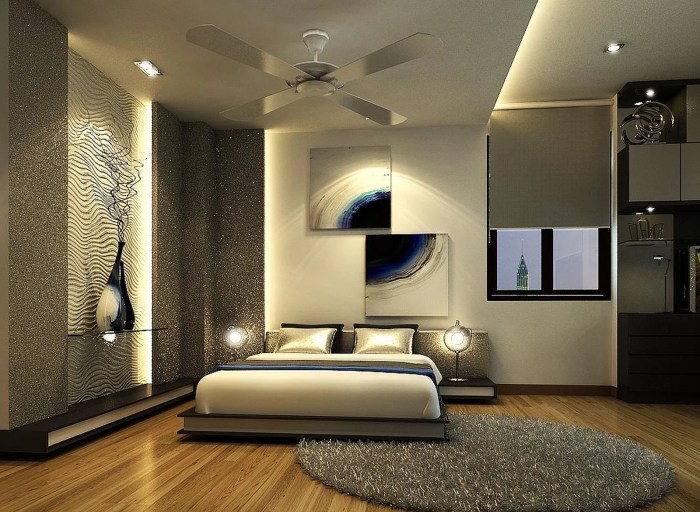
When it comes to room design, textures and patterns play a crucial role in adding depth and visual interest to a space. They can transform a room from bland to captivating, creating a dynamic and engaging environment.
Mixing Textures and Patterns
One key tip for mixing different textures and patterns harmoniously is to vary the scale - mix large-scale patterns with small-scale ones to create balance. Additionally, consider the color palette and choose patterns that share similar colors to create a cohesive look.
Mixing textures like smooth fabrics with rough materials can also add dimension to the room.
Creating Atmosphere
Texture and pattern are essential elements in setting the tone for a room. For a cozy atmosphere, opt for soft, plush textures like velvet or faux fur, and warm patterns like paisley or floral. To achieve a sophisticated look, go for sleek textures such as leather or silk, and geometric or striped patterns.
Incorporating Textures and Patterns
- Textiles: Use throw pillows, blankets, and curtains in different textures and patterns to add visual interest to a room.
- Rugs: Choose rugs with varying textures and patterns to anchor the space and define different areas.
- Decor: Incorporate decorative items like vases, wall art, and accent pieces with unique textures and patterns to enhance the overall design.
Closing Summary
As we conclude our discussion on room design ideas, remember that the power to transform your living space lies in your hands. By incorporating the right elements and paying attention to detail, you can create a room that not only looks aesthetically pleasing but also serves its purpose flawlessly.
Let your creativity soar and watch as your room becomes a true reflection of your unique taste and vision.
Answers to Common Questions
How important is room design for creating a welcoming atmosphere?
Room design plays a crucial role in setting the tone for a space, influencing the overall ambiance and comfort level. A well-designed room can make guests feel instantly at ease and enhance everyday living experiences.
What are some popular color schemes for modern room designs?
Modern room designs often feature neutral color palettes with bold pops of color for contrast. Gray, white, and black are commonly used as base colors, while vibrant hues like teal or mustard are incorporated as accent colors.
How can lighting design impact the mood of a room?
The right lighting can create different atmospheres in a room, from cozy and intimate to bright and energizing. By strategically placing light fixtures and using various types of lighting, you can enhance the overall ambiance and functionality of the space.
Why is it essential to consider texture and pattern in room design?
Textures and patterns add layers of visual interest and depth to a room, making it more engaging and inviting. They also play a significant role in conveying the overall style and personality of the space, whether it's a cozy retreat or a sleek, modern environment.